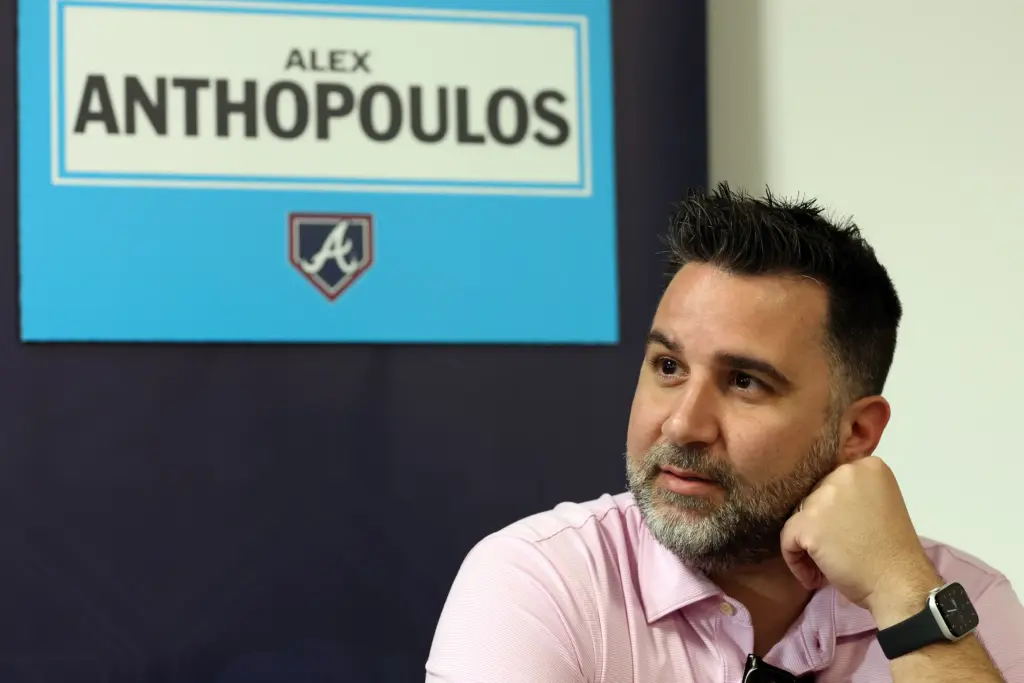
The Atlanta Braves starting pitching unit entered the season with high potential, but a rapid succession of injuries has forced the front office into an unexpected summer corner. Despite holding a somewhat comfortable lead in the National League East, manager Walt Weiss and president of baseball operations Alex Anthopoulos face an alarming depth shortage.
To survive the grueling summer months and secure a deep postseason run, the team must address its fractured rotation. The current state of the rotation consists of short-term patches, long-term rehab assignments, and strategic options for the upcoming trade deadline.
Atlanta Braves Starting Pitching: Is Action Mandatory?
The Casualty List: How the Depth Was Decimated
Atlanta’s injury crisis did not happen overnight, it began as a slow burn in spring training before accelerating into an outright emergency by June. After fighting back from his 2024 internal brace procedure, Spencer Strider was shut down and placed on the 60-day IL with right elbow inflammation and is not expected to return until late August at the earliest.
Spencer Schwellenbach has been sidelined since February following arthroscopic surgery to remove bone spurs. He is currently working through a flat-ground throwing progression. Hurston Waldrep required elbow surgery before opening day. However, Waldrep was recently activated and optioned to Triple-A Gwinnett, but his major league readiness remains fluid.
AJ Smith-Shawver continues to rehab from Tommy John surgery and Joey Wentz was lost for the entire season due to a torn ACL suffered in March.
The Current State of the Rotation
The current strategy relies heavily on an ageless Cy Young candidate and a rotating cast of spot-starters. At 36 years old, Chris Sale has anchored the staff. He sports a stellar 2.30 ERA across 13 starts.
However, relying entirely on Sale to carry the staff is a massive gamble given his extensive history of injuries. Behind him, the Braves are using a patchwork mix of veterans, such as Martin Perez, Grant Holmes and Bryce Elder. Elder specifically was off to an amazing start but seems to be regressing again which could be a huge problem for the Braves going forward.
The newest face in the mix is rookie JR Ritchie, who was quickly plugged into Strider’s vacated spot. While this group has bought the team time, the underlying metrics reveal a declining strikeout rate. This leaves the defense vulnerable to batted-ball variance.
The Case for Staying Internal vs. an External Trade
The front office must decide whether to trust their internal pitching lab or aggressively trade prospect capital before the deadline. If Waldrep rediscovers the feel for his splitter in Gwinnett, he could easily jump back into the major league rotation. He was certainly one of the few bright spots in a disappointing 2025 season for the Braves. Additionally, Ritchie’s poise offers a cheap solution while the team waits for Schwellenbach’s late-summer return.
However, relying on rookies and back-of-the-rotation veterans against elite competition is dangerous. Anthopoulos has a reputation for making impactful mid-season adjustments. He could focus his attention on several primary targets like Joe Ryan, Zac Gallen or even Freddy Peralta, though it would be difficult to get the New York Mets to trade him to a division rival.
The Verdict: Action is Mandatory
The Braves starting pitching staff has shown remarkable resilience. However, the front office shouldn’t ignore the clear warning signs. An injury to Sale would instantly jeopardize the entire season. Relying on unproven rookies or fading veterans to win games long-term is an unnecessary risk.
The Philadelphia Phillies are catching up slowly but surely, so to protect their division lead and ensure postseason success, the front office must pursue an impactful starting pitcher at the trade deadline or maybe even two.
Main Image: Kim Klement Neitzel-Imagn Images