
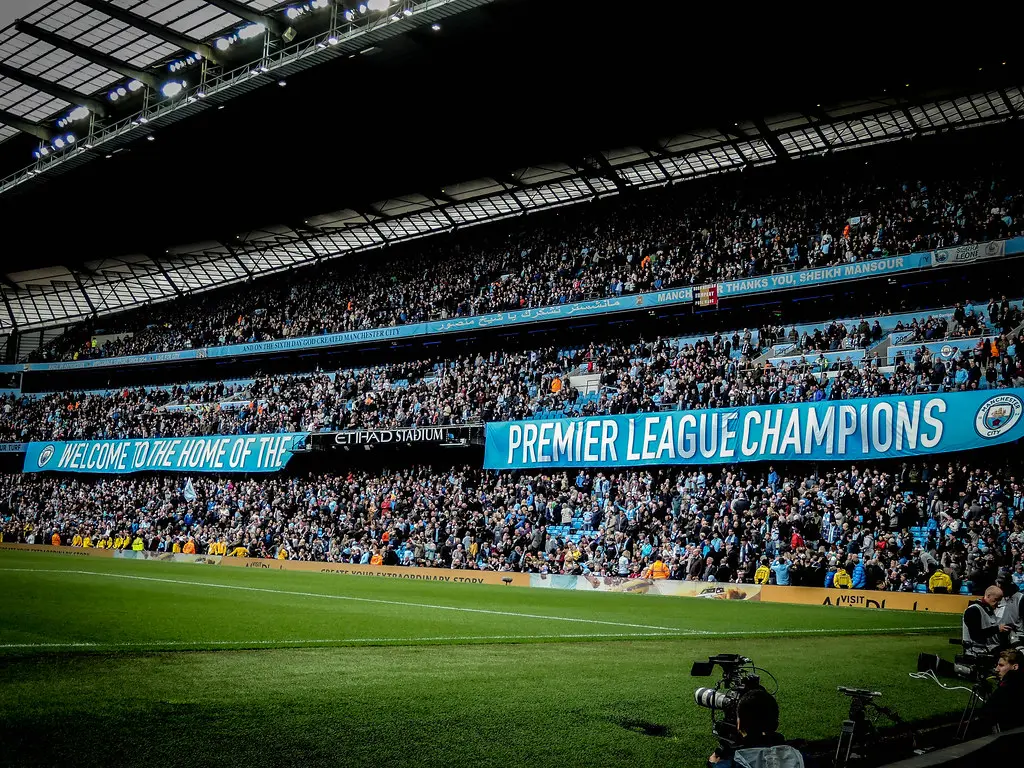
The Premier League has quietly become one of the biggest sports media properties in the U.S. This examination explores how the league drew in NFL and NBA audiences, and why its appeal transcends the pond.
How the Premier League captured American audiences
NBC’s 12-year rights deal has altered the weekend-morning TV landscape, giving the league a place to air games on a consistent basis, as well as the personnel to provide commentary for said contests. The cultural gap between the two fanbases runs deeper than match schedules or time zones, and it extends into how each audience engages commercially with the game — Premier League betting for UK supporters carries a decades-long tradition shaped by in-stadium culture and regulated markets that American fans are only beginning to navigate. This trend seems to be structural rather than fleeting, given the surging numbers of American soccer fans reported by Statista and the high levels of youth participation and growth in MLS that have been preparing a generation of fans interested in following topflight club soccer from around the world.
Other clubs, like Manchester City and Liverpool have invested heavily in US facing content, social media and pre-season tours and as this exposure grows and multiplies over time it could have a profound impact on how soccer is viewed in the future here in the US.
What drives the UK supporter experience
Football culture in Britain is intensely local. In most big football towns, supporters are born into fandom, loyal to a team before they know their own name. This fact is deeply ingrained in English football culture, and The FA took account of it when structuring official fan involvement, designating Supporter Liaison Officers to represent fans at Board level and incorporating formal consultations with supporter groups and clubs into the Championship Tier 3 process. Fans play an official, accepted role in the higher echelons of English football, a role expected to defend fan interests by any necessary means.
Most American franchise based sports manage to build season ticket waiting lists of a few years at most, but in Italy the list of waiting for matchday tickets at Inter Milan stretches back decades, and similar scenes have been taking place at Juventus, AC Milan and Lazio for years. The stadium is not entertainment, it is identity.
Two fanbases, one league
The Premier League international TV rights are now sold into over 180 countries around the world. As one of the biggest football exports in the world, its fan base is growing all over the globe. While American football fans view sport through a consumer-led lens expecting access, convenience and statistics, football fans in the UK often resent this perspective.
For over a decade the Gallup sports poll has documented the growing popularity of soccer in America, with improved TV ratings, but that data does not necessarily translate into fan dedication on the level of a local tribe of Reds from Anfield.
A transatlantic relationship still taking shape
The Premier League enjoys a growing American audience to complement established ones in the UK and internationally. That’s not unusual for a big global sports property. What is unusual is that the UK audience is as or more important, and that the league is fiercely identifying itself with a domestic English culture.