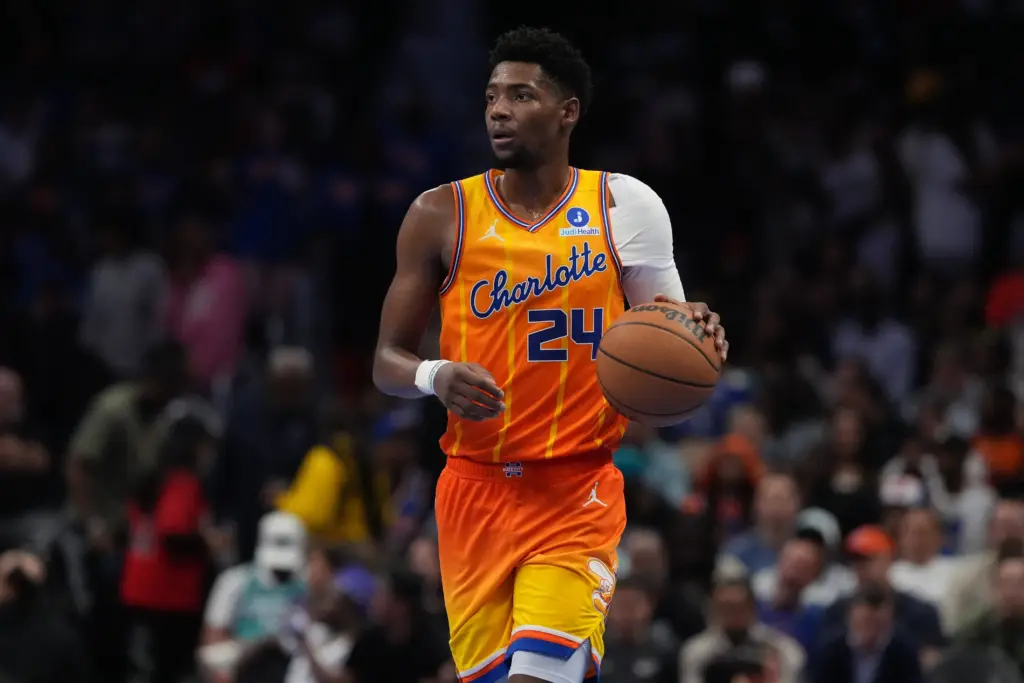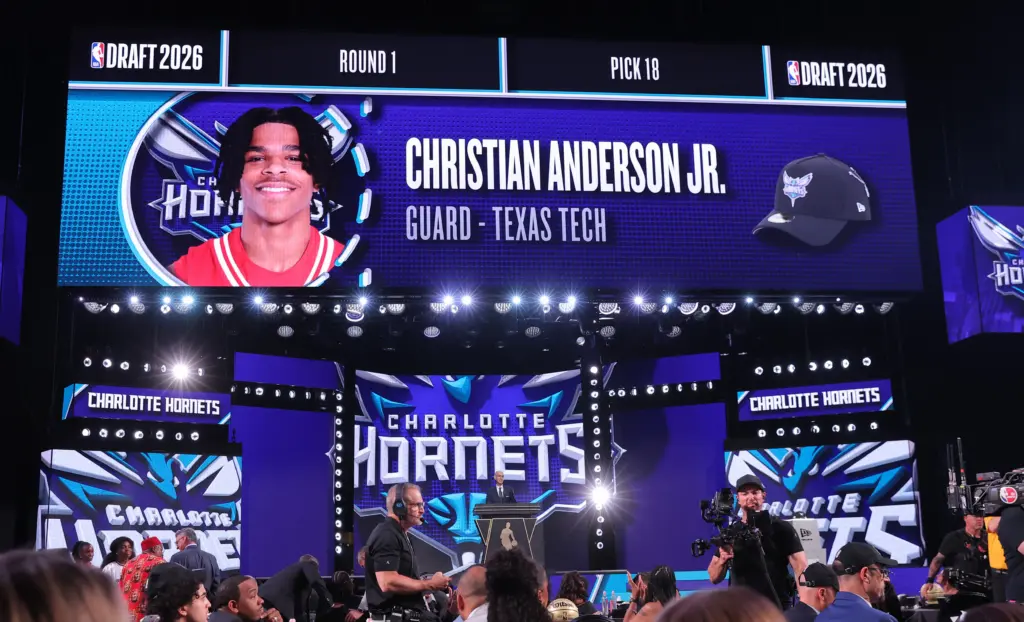
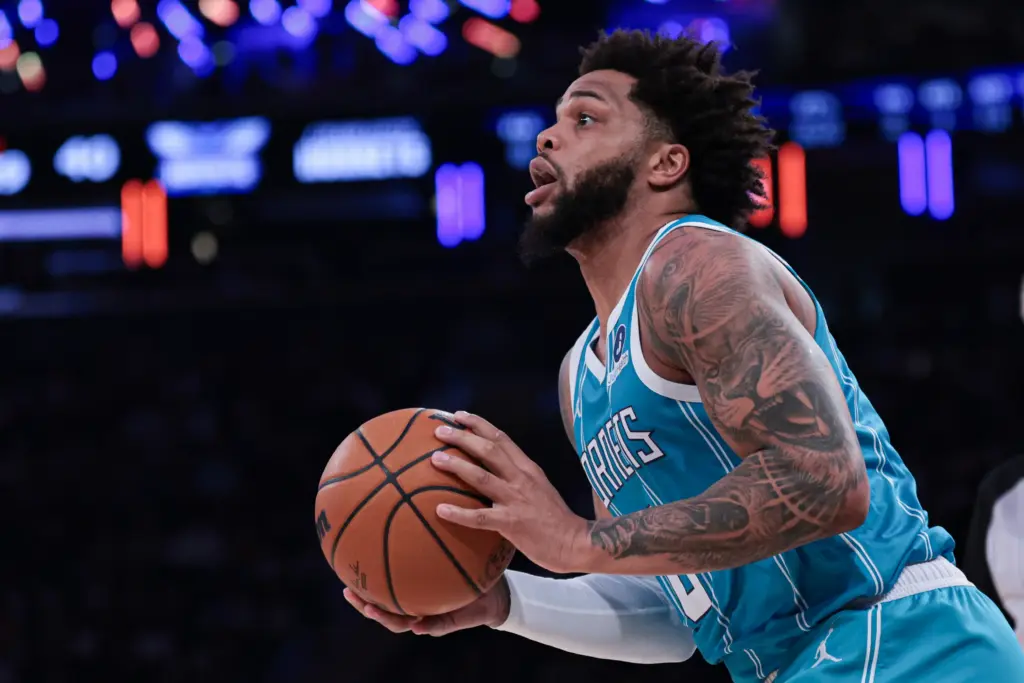
The Charlotte Hornets continued their aggressive offseason restructuring by officially agreeing to a deal that sends versatile forward Miles Bridges, a 2029 first-round pick, and a 2027 second-round pick to the Phoenix Suns. In exchange, the Hornets received sharpshooting guard Grayson Allen, seasoned forward Royce O’Neale, and an unprotected 2033 first-round pick. This Bridges trade represents a massive pivot for both franchises, signaling entirely different strategic directions as the front offices look to lock down their futures.
A Deep Dive Into the Miles Bridges Trade
The Charlotte Hornets: Accumulating Assets and Floor Spacing
Following their decision to part ways with franchise cornerstone LaMelo Ball, the Hornets are firmly in the midst of a full-scale roster reset. The Miles Bridges trade provides Charlotte with two immediate, high-value assets that make perfect sense for a rebuilding timeline.
By acquiring Allen, the Hornets add one of the league’s most efficient outside shooters. Allen’s ability to space the floor will be vital for developing young guards and creating driving lanes. Meanwhile, O’Neale steps into a valuable veteran role, offering defensive versatility and playoff-tested experience.
However, the crown jewel of this trade for Charlotte is the unprotected 2033 first-round pick. Acquiring a draft asset nearly a decade into the future is a massive win for a front office prioritizing long-term flexibility. With an influx of draft capital and capable veterans, the Hornets are positioning themselves to build a highly competitive, asset-rich core around Brandon Miller and other emerging pieces like Kon Knueppel.
The Phoenix Suns: Financial Relief and a Win-Now Forward
For the Suns, the Bridges trade is an undeniable win-now move, engineered largely to address roster fit and alleviate a bloated salary cap. Bridges brings immediate scoring punch, athletic finishing, and frontcourt versatility that Phoenix desperately needed to complement their superstars.
From a financial standpoint, the deal is a major victory for the Suns’ ownership. By moving off the multi-year contracts of Allen and O’Neale, Phoenix clears roughly $20 million in luxury tax obligations, drastically improving their financial flexibility ahead of NBA free agency. Furthermore, the front office lands a player they have reportedly coveted for several seasons, banking on Bridges to be the missing piece capable of pushing them deeper into championship contention.
Front Office Ties and Contract Dynamics
Intriguingly, the Bridges trade also highlights the prominent organizational ties between the two franchises. Bridges, a product of Michigan State University, shares strong roots with Suns owner Matt Ishbia, who also played for the Spartans. Phoenix clearly values his familiarity with their basketball systems and his physical style of play.
Bridges is entering the final year of his current contract. At an expiring salary of roughly $22.8 million, he represents a high-impact, low-risk financial commitment for the Suns. If the experiment works, Phoenix hold his Bird rights and can negotiate a new deal next summer. If it fails, they will have over $22 million coming off their books entirely.
Winners, Losers, and Final Thoughts
Evaluating the Miles Bridges trade depends heavily on each team’s respective timeline. For the Hornets, the move is a definitive triumph. They managed to turn a player on an expiring contract into a premium, unprotected first-round pick while acquiring reliable role players who can establish a winning culture. While the LaMelo trade is still debatable, the Hornets were never going to give Bridges a new deal, so getting something for him now instead of losing him for nothing next summer was the right move, even if many fans feel that they could have received more.
For the Suns, the trade carries significantly more risk. While Bridges undeniably improves their starting rotation and provides much-needed financial breathing room, surrendering an unprotected first-round pick so far in the future, especially with the roster already lacking long-term draft assets, is a massive gamble. Ultimately, both teams executed exactly what they set out to do. Charlotte added to their treasure chest of future picks, while Phoenix pushed their chips toward immediate contention.
Main Image: Vincent Carchietta-Imagn Images