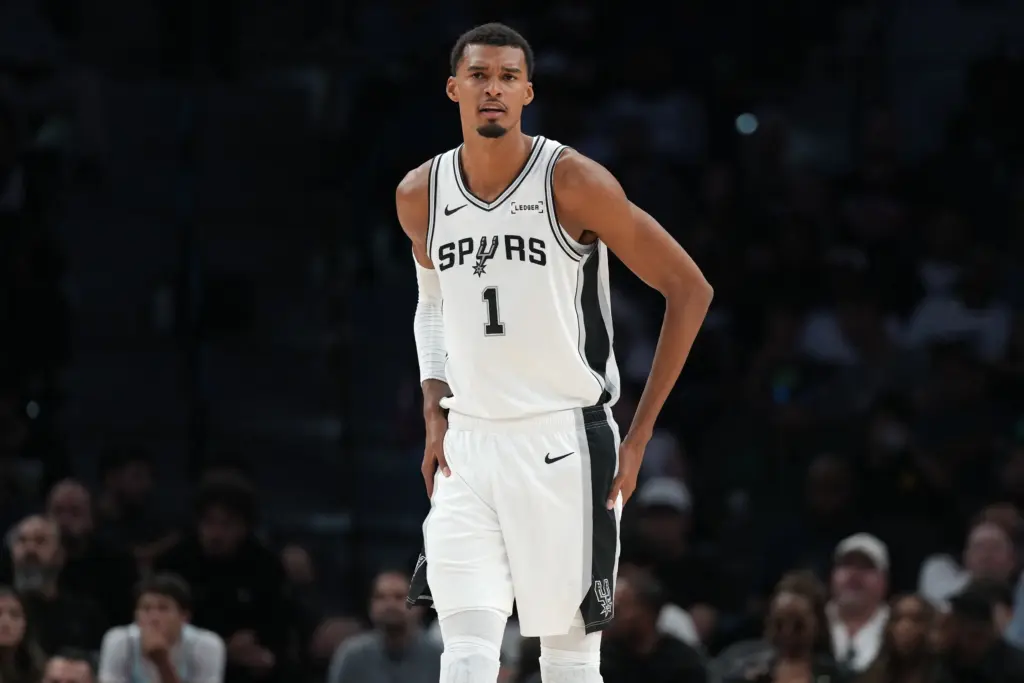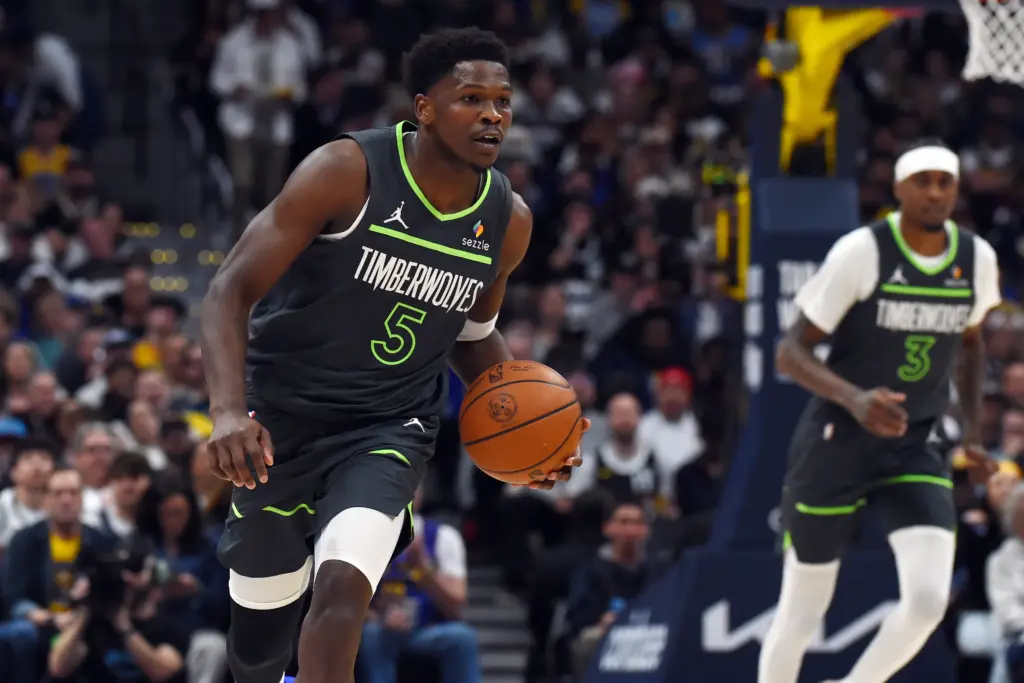
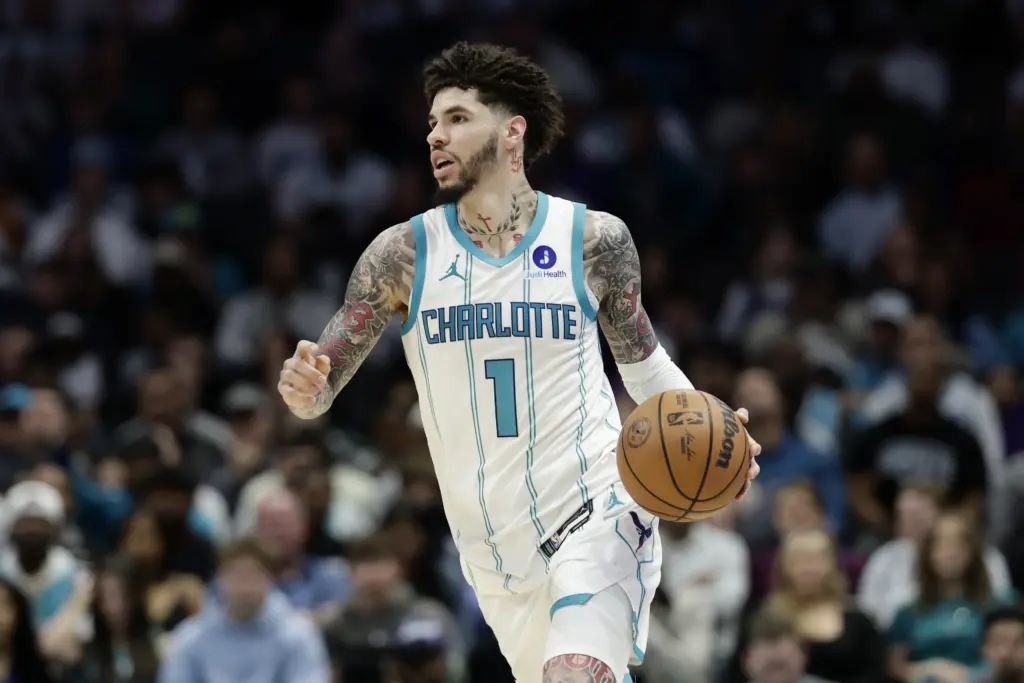
In a stunning draft-week move, the Charlotte Hornets traded franchise cornerstone LaMelo Ball to the Minnesota Timberwolves. This blockbuster LaMelo Ball trade completely reshapes the future of both franchises. For Charlotte, it signals a strategic rebuild centered around Brandon Miller and Kon Knueppel, while the Timberwolves pair Ball with Anthony Edwards.
Analyzing the Fallout From the LaMelo Ball Trade
The Blockbuster Trade Package
The Hornets did not let their former All-Star go for nothing, though it may feel like it to Hornets fans. In executing the high-profile LaMelo Ball trade, Charlotte acquired a massive haul tailored to reshape their roster and future draft capital. In exchange for Ball and Josh Green, Charlotte secured Naz Reid, a 2033 unprotected first-round pick, and three first-round pick swaps in 2028, 2029, and 2030, alongside three second-round picks. Reid will obviously get the first crack at making an impact on the team. The dynamic former Sixth Man of the Year brings immediate scoring, floor-spacing, and much-needed size to the Charlotte frontcourt.
The New Era in Charlotte
By dealing Ball, the Hornets are officially turning the page on the LaMelo era. This LaMelo Ball trade allows the organization to pivot to a new timeline, focusing heavily on developing the promising duo of Miller and Knueppel. It will certainly be interesting to see how Miller handles being the new face of the team.
Head Coach Charles Lee and Hornets President of Basketball Operations Jeff Peterson are tasked with building a sustainable, defensive-minded culture. Moving forward with the asset wealth from the LaMelo Ball trade provides the team with immense long-term financial and roster flexibility. However, this does leave a massive hole created at the point guard position, but this could (and likely should) mean that Charlotte plans to bring back hometown favorite Coby White on a new deal.
Minnesota’s Risky All-In Move
For the Timberwolves, pulling the trigger on the LaMelo Ball trade gives them the ultimate co-star to pair with Anthony Edwards. The No. 1 and No. 3 picks from the 2020 NBA Draft are now united in the Western Conference. Ball’s elite playmaking is expected to take some of the heavy offensive burden off of Edwards’ shoulders.
However, this move is not without its risks. Ball has struggled with durability over the course of his six-year career, though he did play 72 games last season. Moving on from Reid is a significant loss for Minnesota’s depth as well, meaning the success of this trade hinges entirely on how seamlessly Edwards and Ball share the backcourt.
Why the Trade Happened
While Ball showed flashes of brilliance and undeniable offensive upside, averaging over 20 points and seven assists, the partnership had run its course. Consistent ankle injuries from Ball forced the front office to re-evaluate their long-term timeline. Ultimately, the Hornets decided that maximizing their return via a LaMelo Ball trade was the smartest path to building a true contender for the future.
Immediate Fallout and Market Impact
The LaMelo Ball trade is already sending shockwaves through the rest of the league. With Ball off the board, several teams that missed out on him will have to pivot to alternative free-agent targets and trade targets. The trade deadline this upcoming season could see even more seismic shifts as teams recalibrate their rosters.
Ultimately, the trade gives both franchises a clear, distinct identity. The Hornets are stockpiling future assets and embracing a Miller and Knueppel led squad, while Minnesota cements its status as a Western Conference heavyweight with a star-studded backcourt.
Charlotte fans are likely upset and confused, as the team was coming off its best season in quite some time, but it’s much too soon to tell if this trade was a good one or a bad one. As long as the team brings back White, Charlotte still has plenty of talent to make some noise and nothing will help fans move on quicker than winning.
Main Image: Brian Westerholt-Imagn Images