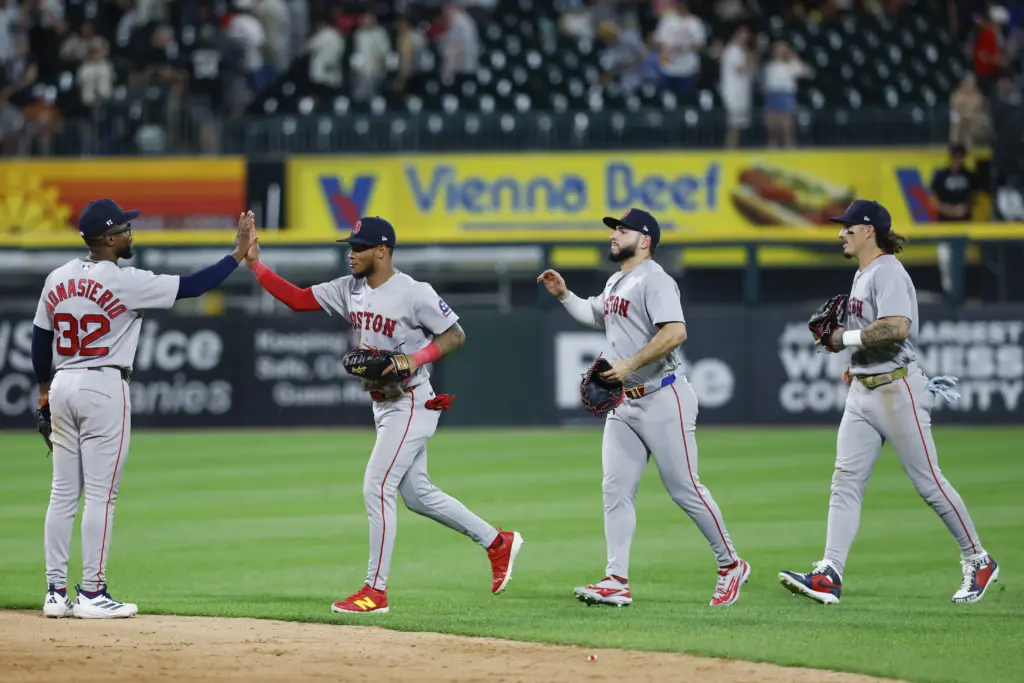
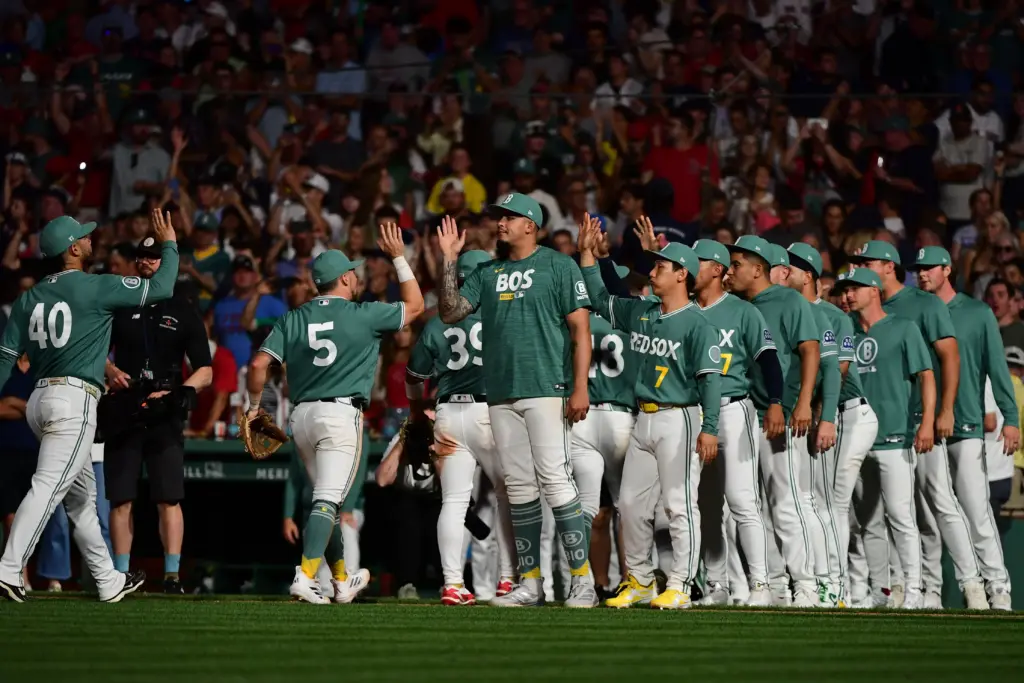
The Boston Red Sox turnaround has become a major storyline in the MLB season. Sinking 14 games below .500 in late June and plagued by front office and coaching turmoil, the team flipped an unprecedented switch. By racking up an impressive 14 wins in a row heading into Tuesday’s action, this spectacular Red Sox turnaround has transformed the club from guaranteed sellers at the trade deadline into legitimate postseason contenders. Let’s take a look at three reasons the Red Sox have gone from the AL East cellar to being one of the most dangerous teams in baseball in just a matter of weeks.
Three Keys Behind the Red Sox Turnaround
1. A Pitching Masterclass
The foundation of the Red Sox turnaround is unequivocally their pitching staff. During their blistering mid-summer surge, Boston’s starting rotation strung together 12 consecutive quality starts. For analysts dissecting the Red Sox turnaround, veterans like Sonny Gray anchoring the rotation with reliable innings and the emergence of rookie left-hander Jake Bennett are seen as primary catalysts.
Remember just a few weeks ago when everyone was wondering where Gray would get traded to? There was no doubt that Gray would be playing for a different team in August, but now it appears he will be staying put and aiming to be a Game 1 starter for Boston in the postseason.
Behind the starters, the bullpen locked things down late in games. Reliever like Garrett Whitlock and Tyron Guerrero were nearly unhittable, putting together multi-week stretches without allowing a single earned run. Overall, the pitching staff allowed fewer than 10 runs over a breathtaking eight-game stretch, a feat not seen in Boston since 1918.
2. Smart Roster Adjustments and Rising Role Players
When the lineup stagnated early in the year, Chief Baseball Officer Craig Breslow and the front office didn’t panic, instead, they tinkered with depth, further fueling the Red Sox turnaround. They capitalized on key pieces already in the system, and players like Caleb Durbin seamlessly stepped into high-pressure roles, providing steady defense at third base and raising his on-base metrics at critical moments.
Players such as Masataka Yoshida also rediscovered their timing and plate discipline, forcing opposing pitchers to throw strikes and drastically reducing their chase rates. This grind-it-out offensive philosophy resulted in better team at-bats, allowing Boston to manufacture runs through small-ball tactics like bunting rather than relying solely on the long ball.
3. Culture Shift Under Interim Manager Chad Tracy
Following the shocking mid-April dismissal of manager Alex Cora and several coaches, the club faced the challenge of righting the ship. Interim manager Chad Tracy instituted a highly effective team-first mentality that accelerated the Red Sox turnaround. He emphasized steady communication and pushed for optional workouts that kept the team focused and mentally sharp during grueling travel stretches. The renewed clubhouse energy translated directly to the diamond, bringing a playoff-level intensity to Fenway Park even in the dog days of July.
Looking Ahead to the Postseason
The Red Sox turnaround isn’t just a fun midseason fluke, it has dramatically altered the trajectory of the franchise. By pushing their record over the .500 mark and inserting themselves into the thick of the AL Wild Card race, this Red Sox turnaround shifted the team’s deadline vision from offloading talent to evaluating how to make a deep October push.
For a franchise that faced deep skepticism heading into the year, the turnaround has injected fresh hope into the Boston faithful. If the starting rotation maintains its dominant form and the role players continue to execute fundamental baseball, the Red Sox are well-positioned to secure a coveted playoff berth and possibly even get back into the AL East race.
Main Image: Bob DeChiara-Imagn Images