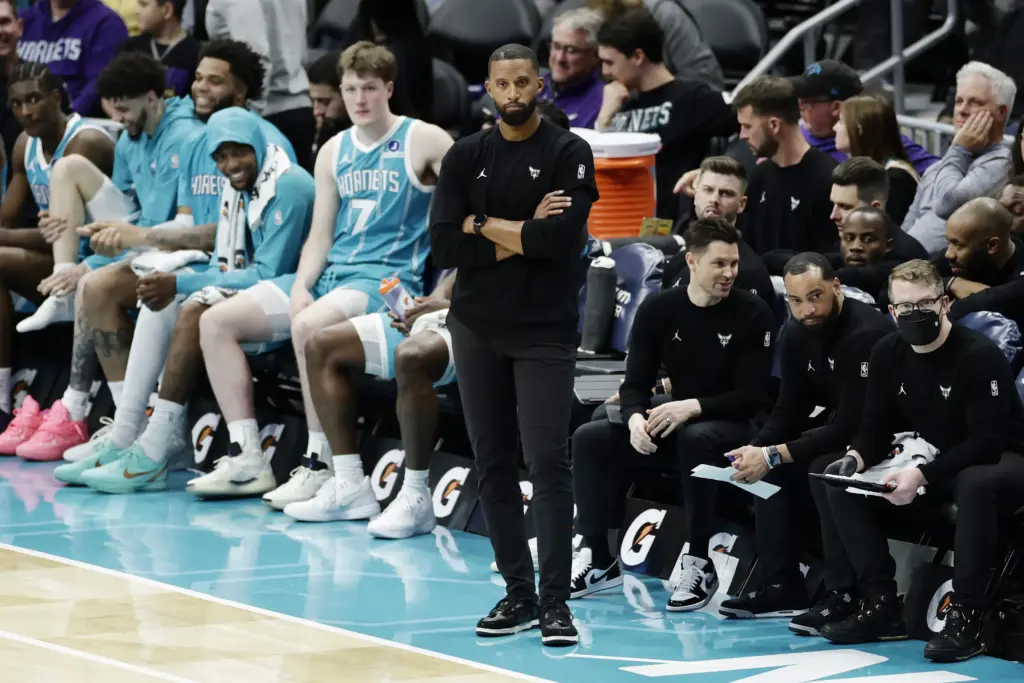
For years, the Charlotte Hornets were known for exciting first halves, disastrous third quarters, and heartbreaking finishes. Under head coach Charles Lee in the 2025-26 season, that narrative has been completely rewritten. The Hornets have transformed from a rebuilding squad into a second-half force, largely thanks to Lee’s decisive halftime adjustments and a commitment to high-intensity basketball immediately after the break.
With the Hornets recently securing a winning season and showing late-season surges against elite opponents, it is clear that Lee has unlocked a new level of maturity in this young team. Here is a breakdown of how Lee’s third quarter adjustments are winning games.
How Charles Lee’s Adjustments Are Winning Games
1. The Defensive Reset
If the first half is about assessing the opponent, the third quarter is about stifling them. Lee has consistently emphasized tightening up defensive coverages, particularly against star players who found gaps in the first two quarters. After trailing at halftime against the Minnesota Timberwolves, Lee credited a defensive reset, where the team increased their focus, attention to detail, and coverage execution.
The Hornets have become notorious for silencing opponents in the third, changing the shot profile of teams and creating turnovers that lead to fast-break points.
2. Pushing the Pace and Passing Ahead
A hallmark of Lee’s philosophy is the “breakneck pace.” While the Hornets might play a more measured game early, they ramp up the speed in the third. Lee encourages his team to inbound the ball quicker and pass ahead to initiate offense before the defense settles.
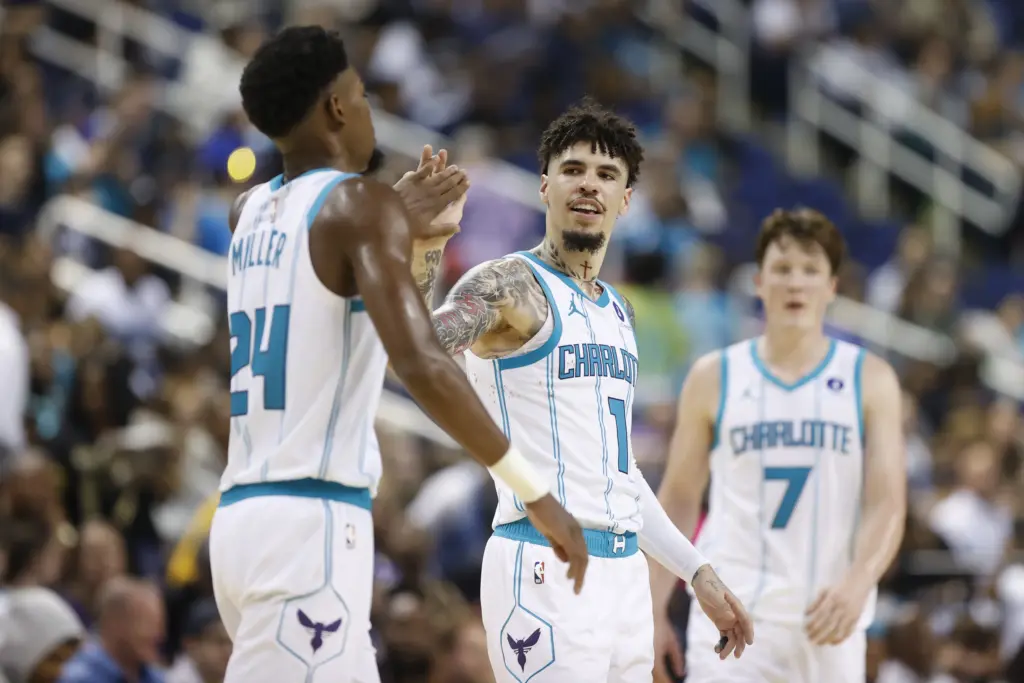
Opponents, tired from battling in the first half, cannot keep up with this tempo. Brandon Miller and LaMelo Ball have been vital in sustaining this pace, leading to multiple scoring flurries.
3. Exploiting Second-Half Matchups
Lee is not afraid to change his lineup or defensive assignments based on what he sees in the first half, showing a dynamic coaching style. Against top scorers like DeMar DeRozan, Lee shifted matchups and mixed in double teams in the third quarter to stop them from getting to their spots.
Instead of allowing opponents to build on their first-half success, the Hornets break their rhythm, forcing inefficient possessions.
4. Maximizing Two-Way Personnel
Players like Moussa Diabate provides Lee with the tools to change the physical nature of the game in the third quarter. Utilizing shorter rotations, Lee has relied on high-energy players to grab offensive rebounds and defend multiple positions.
“Moussa’s offensive rebounds gave us a little bit more life and spirit,” Lee noted after a comeback win. This extra possession effort creates momentum shifts that demoralize opponents.
5. Increased Off-Ball Movement
Lee’s offense isn’t just about LaMelo creating, it’s about making everybody a threat. In the third quarter, the Hornets focus on moving without the ball, cutting aggressively to the basket, and creating space for shooters.
This makes them much harder to defend, as opposing defenses can no longer focus solely on limiting LaMelo’s playmaking, opening up lanes for Miller and others.
6. Shifting Mentality: “Commitment to the Journey”
Perhaps the most impressive adjustments is mental. Lee has instilled a sense of trust in their daily habits, ensuring the team doesn’t panic if they are down at halftime. Lee focuses on building consistency, telling his team that winning requires effort not just for a quarter, but for the entire game.
The Hornets have become a resilient team, capable of handling pressure and fighting back, turning what used to be a mental weakness into a strength.
Final Thoughts
Lee has brought a championship-level defensive framework to Charlotte. By combining that with a faster, more unselfish offensive pace in the third quarter, he has turned the Hornets from a team that fades away to a team that pulls away. As they prepare for a potential playoff run, these halftime adjustments are the foundation of their success.
Main Image: Brian Westerholt-Imagn Images