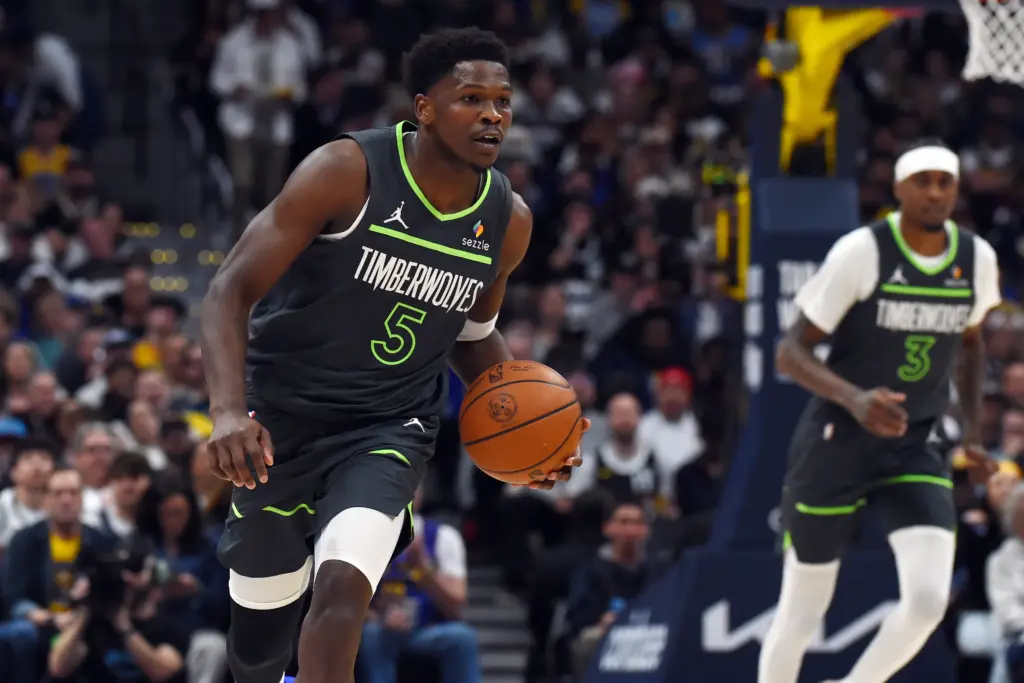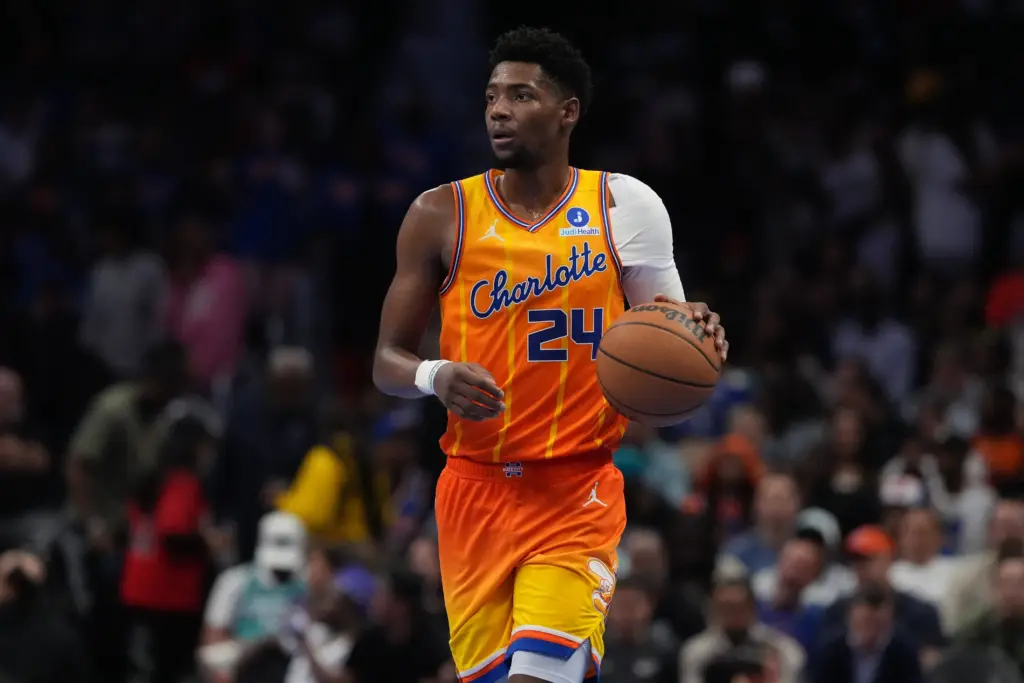
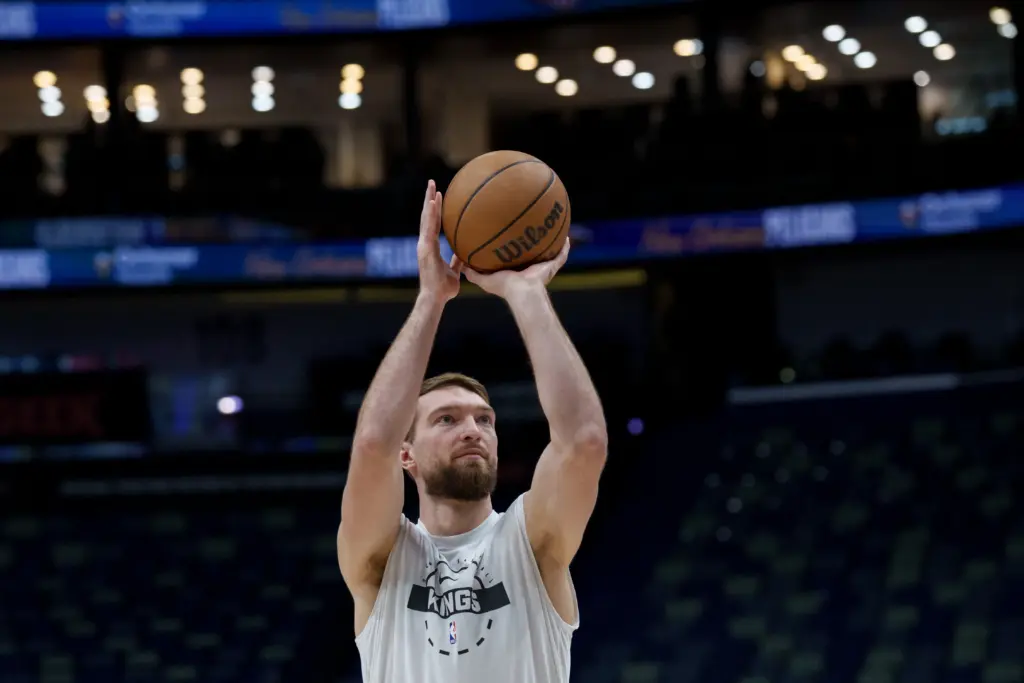
The Charlotte Hornets must resist the temptation to make a blockbuster trade for Domantas Sabonis, as the immediate star power hides deeper organizational risks. While adding a multi-time All-Star is always alluring, the true cost of this acquisition could quietly derail the franchise’s long-term trajectory. Committing massive resources to a player with specific positional demands risks creating more problems than it solves for the roster’s future. Here are four specific reasons why trading for Sabonis is a bad idea for the Hornets.
Why the Hornets Shouldn’t Trade for Domantas Sabonis
1. The Paint-Spacing Dilemma
At 6-foot-10, Sabonis is a brilliant interior playmaker, elite rebounder, and a walking double-double machine. However, his game relies heavily on operating in the paint and functioning as a high-post hub. The Hornets have spent years building a dynamic, modern offense around LaMelo Ball and Brandon Miller, players who thrive with space to drive and kick.
Because Sabonis is not a willing or high-volume three-point shooter, opposing defenders are able to sag off him and clog driving lanes. Bringing Sabonis to Charlotte would fundamentally alter the floor-spacing that LaMelo relies on to run an explosive pick-and-roll offense. Rather than giving their young franchise guys more room to operate, a Sabonis trade would actively stifle their offensive growth.
2. Defensive Limitations as a Center
Beyond spacing concerns, the Hornets require high-level defensive anchors. Historically, Sabonis has struggled to provide the classic rim-protection and paint deterrence required of a modern starting center. In the hyper-athletic, wing-heavy Eastern Conference, relying on an undersized five who lacks elite shot-blocking leaves teams perpetually vulnerable on the defensive end. The Hornets already struggle to contain opposing guards when their rim-protectors are tested, adding a minus-defender would heavily cap their ceiling against elite playoff teams.
3. The Asset and Salary Cost
According to reports, the Sacramento Kings have targeted Charlotte’s coveted 2026 first-round picks (Nos. 14 and 18). The Hornets front office has been incredibly smart by resisting these early trade talks. Surrendering premium draft capital and high-upside young talent for a veteran center simply does not align with Charlotte’s developmental timeline.
To add on, the financial commitment is staggering. Sabonis is owed massive money over the next two seasons, with a salary soaring past $45 million. Taking on nearly $94 million for a non-shooting center in the restrictive second-apron era strips the front office of the financial flexibility required to build a well-rounded roster through free agency.
4. Long-Term Roster Strategy
The Hornets already have a promising foundation in place. With players like Miller and Kon Knueppel developing, the team’s priority should be maintaining financial agility and nurturing their own core. Instead of making a desperate “win-now” splash that doesn’t significantly alter their championship odds, Charlotte should hold onto their draft picks and explore cost-effective, two-way frontcourt free agents who fit seamlessly into their existing scheme.
The front office must carefully evaluate the long-term ramifications of any blockbuster deal. Taking on a hefty contract while sacrificing draft picks for a player with documented spacing and defensive shortcomings would represent a step backward for Charlotte’s bright future. The report that the Hornets are reluctant to give up those first-round selections is the right approach.
Sabonis is coming off an injury-riddled season with the Kings as well. Injuries can happen to anyone of course, but it’s just not wise to invest so much into an aging player that was dealing with a knee injury. By trusting their draft picks and steering clear of a Sabonis trade, the Hornets can remain flexible, build around their exciting young stars, and wait for a more natural positional fit to emerge on the market.
Main Image: Matthew Hinton-Imagn Images