The comprehensive Atlanta Braves trade deadline analysis reveals an organization that prioritized prospect safety over a clear opportunity to win a championship. As the 6:00 p.m. ET cutoff passed on Monday, President of Baseball Operations Alex Anthopoulos finalized a series of moves that left the roster vastly unprepared for a grueling stretch in October.
Instead of dealing for a premier, game-changing starting pitcher, Atlanta opted for modest, depth-oriented acquisitions. The team traded for right-hander Tyler Mahle from the San Francisco Giants, left-handed reliever Brent Suter from the Los Angeles Angels, and outfielder Lane Thomas along with left-hander Bailey Falter from the Kansas City Royals. While these players fulfill minor checklist needs, evaluating the context of the NL arms race shows why this conservative approach is an absolute failure for a club built to win now.
Atlanta Braves Trade Deadline Analysis: Why it Was an Underwhelming Day
1. They Failed to Secure an Elite Postseason Starter
The definitive headline of this Braves trade deadline analysis is the glaring absence of a frontline starting pitcher. With key rotational pieces like Spencer Strider and Spencer Schwellenbach sidelined with severe injuries, the roster required a legitimate co-ace to pair with Chris Sale.
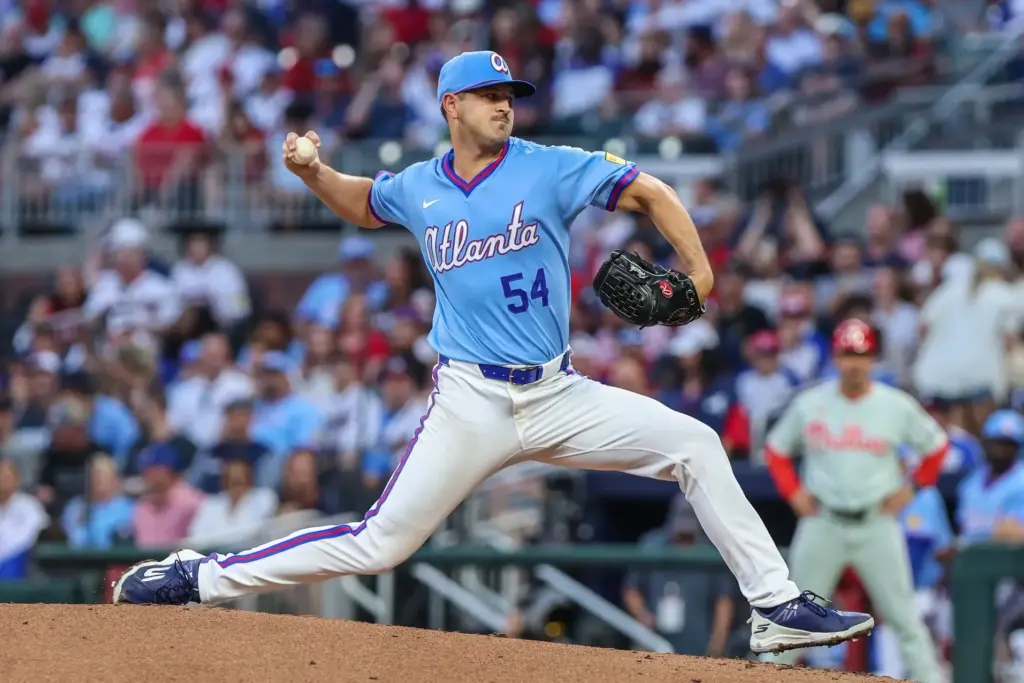
Instead, the front office settled for Mahle. While Mahle provides depth, he features an uninspiring 5.13 ERA this season and fits strictly as a back-end number four or five starter. The front office was heavily linked to marquee trade targets, including Casey Mize and Texas Rangers ace Jacob deGrom. However, deGrom invoked his no-trade clause, and Anthopoulos ultimately refused to part with top prospects to finalize a blockbuster deal. Relying on Sale to carry a heavily fractured rotation through multiple postseason rounds is a massive risk and it’s also unlikely to happen considering how much other NL contenders have improved after the deadline.
2. Falling Behind the Aggressive NL Juggernauts
A vital component of any Braves trade deadline analysis is assessing how the team stacks up against its direct postseason competition. While Atlanta stayed conservative to preserve its farm system, other NL powerhouses acted aggressively to maximize their championship windows.
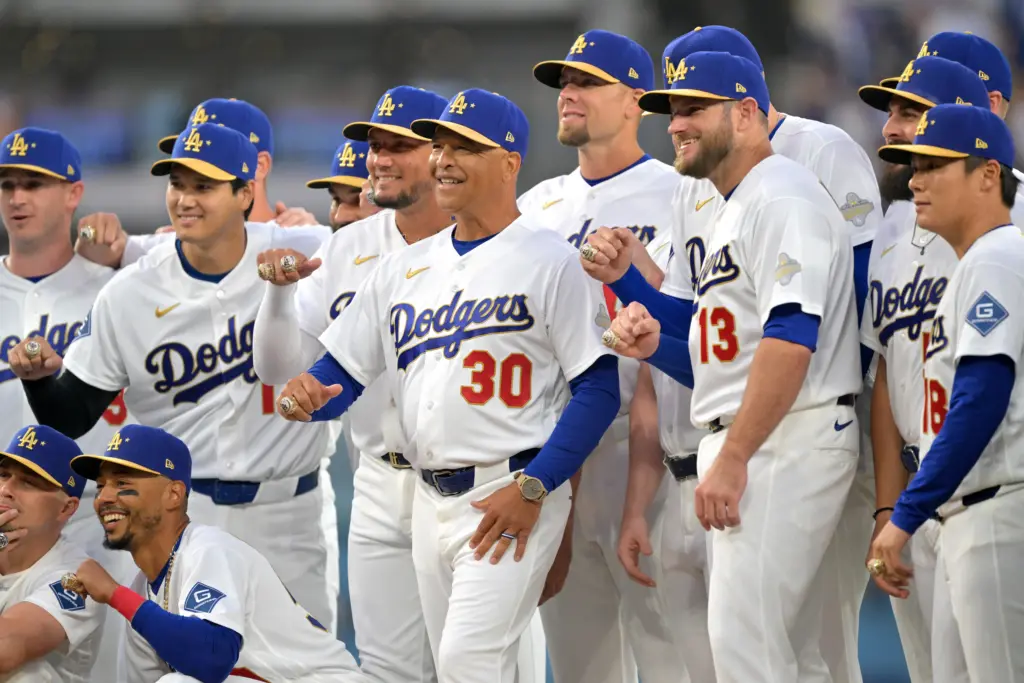
The Los Angeles Dodgers completed the biggest blockbuster of the entire weekend by landing Detroit Tigers ace Tarik Skubal, establishing the most terrifying rotation in baseball. The Philadelphia Phillies aggressively reinforced their roster by trading for three-time MLB batting champion Luis Arraez and a high-leverage reliver in Brooks Raley. The San Diego Padres bolstered their pitching staff by executing trades for proven starters Robbie Ray and Mize. Two pitchers that the Braves were linked to but didn’t aggressively pursue like they needed to.
By refusing to keep pace with the aggressiveness of the other NL teams, the Braves effectively regressed in the NL hierarchy. They could still possibly finish the regular season strong and even be a top seed, but realistically they don’t match up well with any of the other NL contenders around them now when it comes to a five or seven game series.
3. Marginal Depth Over Postseason Impact
The actual player acquisitions made by Atlanta reflect a strategy of patching regular season floor issues rather than elevating the team’s postseason ceiling. Thomas brings a helpful .800 OPS against left-handed pitching, but he projects primarily as a platoon outfielder alongside Mike Yastrzemski rather than an everyday middle-of-the-order threat. In trading away infield prospect Nacho Alvarez Jr. for Suter, the Braves used secondary assets on a multi-inning reliver instead of compounding those pieces into a high-leverage impact star.
4. An Offense Desperately Lacking Spark
While pitching was the most critical priority, Atlanta’s offense has also dealt with heavy stretches of inconsistency throughout 2026. Cornerstone bats have underperformed, and the lineup frequently suffers from extended, quiet scoring droughts.
Adding a marginal platoon piece does not reshape an order or force opposing managers to alter their postseason pitching strategies. The refusal to target a high-impact, everyday right-handed bat leaves the lineup highly vulnerable to elite bullpen arms in October. It’s possible that this is simply nitpicking and the Braves offense will be fine as they get healthier, but the lack of urgency from the front office is certainly frustrating for Braves fans.
The Verdict: A Lost Opportunity
Ultimately, this Braves trade deadline analysis grades the front office’s performance as a profound failure. Anthopoulos defended his conservative approach by asserting the team got better without sacrificing long-term cornerstones. However, championship windows in MLB close quickly. By treating a championship-caliber roster with cautious preservation while the rest of the league went all-in, the Braves’ front office failed to provide Sale and the locker room with the premium reinforcements required to win a World Series. They would never admit it, but this deadline almost felt like a punt by the organization after watching the Dodgers land Skubal.
Read more: 2026 MLB Trade Deadline: Biggest Winners and Losers After the Dust Settles