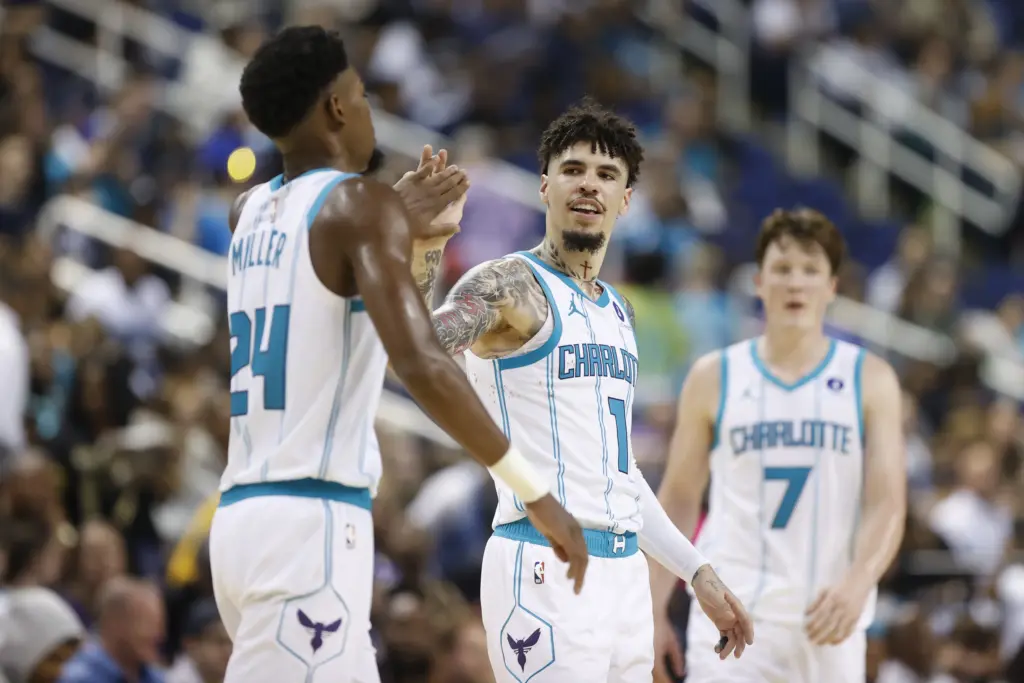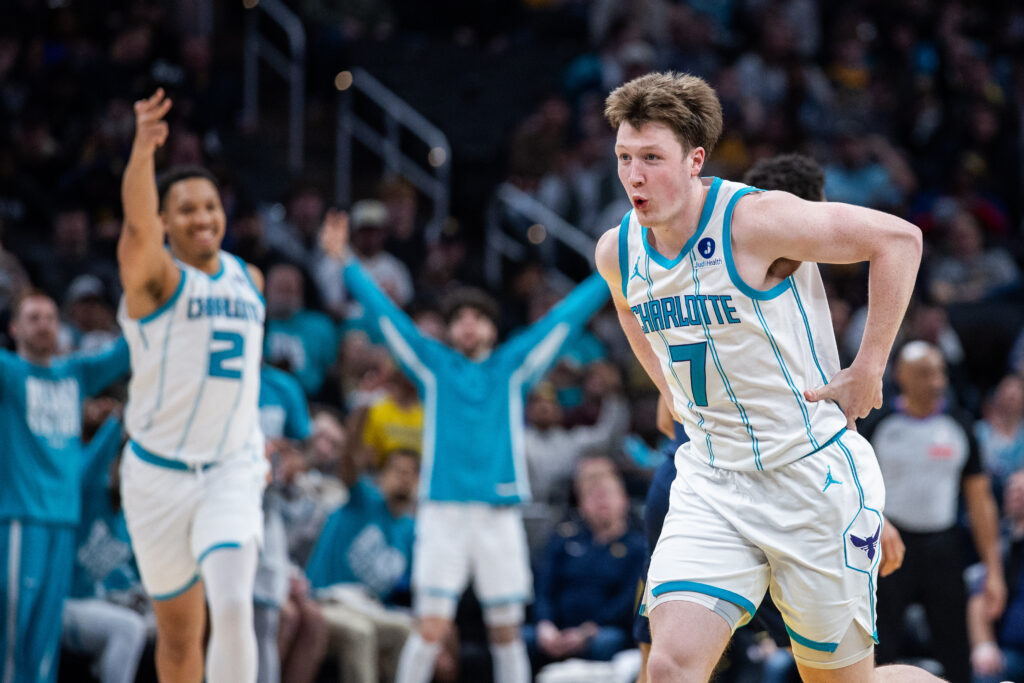
The 2025-26 NBA season has brought the Charlotte Hornets to a familiar, yet fundamentally different, crossroads. After years of navigating injuries, draft lottery obscurity, and rebuilding, the Hornets find themselves hovering around the edge of the Eastern Conference play-in tournament picture. With a 19-28 record as of late January, the team isn’t elite, but they are fighting, having shown flashes of high-level offensive basketball. As the February 5 trade deadline looms, the question facing Front Office executive Jeff Peterson is not just whether to sell, but whether this young core is ready to take the next step.
The answer, based on the current trajectory of LaMelo Ball, Brandon Miller, and rookie sensation Kon Knueppel, is that the Hornets should avoid a fire sale and instead treat this season as a developmental crucible, aiming for a post-season spot while operating with patience.
Why the 2026 Hornets Should Prioritize Growth Over Selling
The Case for Standing Pat
Trading away veteran pieces like Miles Bridges or Collin Sexton for marginal draft capital would be a disservice to the progress made this season. The Hornets have shown they can compete, boasting an elite offense when their core is healthy.
The primary goal of the 2025-26 season was to build a foundation for the future. Making the playoffs, or even a competitive play-in game, offers invaluable experience that cannot be replicated in practice. Getting Ball and Miller into a high-stakes, “battle-tested” environment is more beneficial for their development than gaining a late first-round draft pick.
The Hornets are playing some of their best basketball in recent memory, with recent wins against top teams signaling that this group is “playoff-caliber” when healthy. Rushing to break this up risks destroying the culture that head coach Charles Lee is building.
The Hornets are not in a desperate cap situation, and they have the ability to retain key depth pieces like Sexton beyond this season. There is no urgent need to purge salary right now.
Why “Selling” Makes Little Sense
While the temptation to add more lottery balls is strong, a complete “sell” mode is unnecessary. The team has already found its cornerstone players. The 2026 draft class is highly regarded, but the Hornets are likely to finish in the 5-8 pick range rather than the top, meaning a “tank” might not result in a generational talent.
Furthermore, dealing players like Bridges now, despite the rumors, would likely net less value than waiting for the off-season, when he becomes an even more attractive trade chip.
The Ideal Approach: “Aggressive Patience”
The best move for Charlotte is a nuanced approach, quiet at the deadline or making minor moves to add frontcourt depth. The team has a glaring need for better paint defense and rebounding. Instead of trading top scorers, the front office should use their available assets to acquire more depth pieces like a solid center or a defensive-minded power forward who can complement the scoring of Ball, Miller, and Knueppel. Evaluating other young players like Tidjane Salaun is a good move as well to see if he can take on a larger role in the future.
Final Thoughts
The 2025-26 Hornets are not a championship team, but they are no longer a basement-dweller. They are a fun and entertaining team that has exceeded some expectations despite injury woes. For a franchise with the longest active playoff drought, reaching the postseason is not just a dream, it is a necessary step.
Peterson should avoid a panic move at the 2026 trade deadline. By keeping the core intact and pursuing marginal improvements, the Hornets can nurture their young talent, build a winning culture, and secure a spot in the playoff landscape, setting the stage for a major leap next season. The time for rebuilding is ending and the time for growing up is now.
Main Image: Jeremy Brevard-Imagn Images